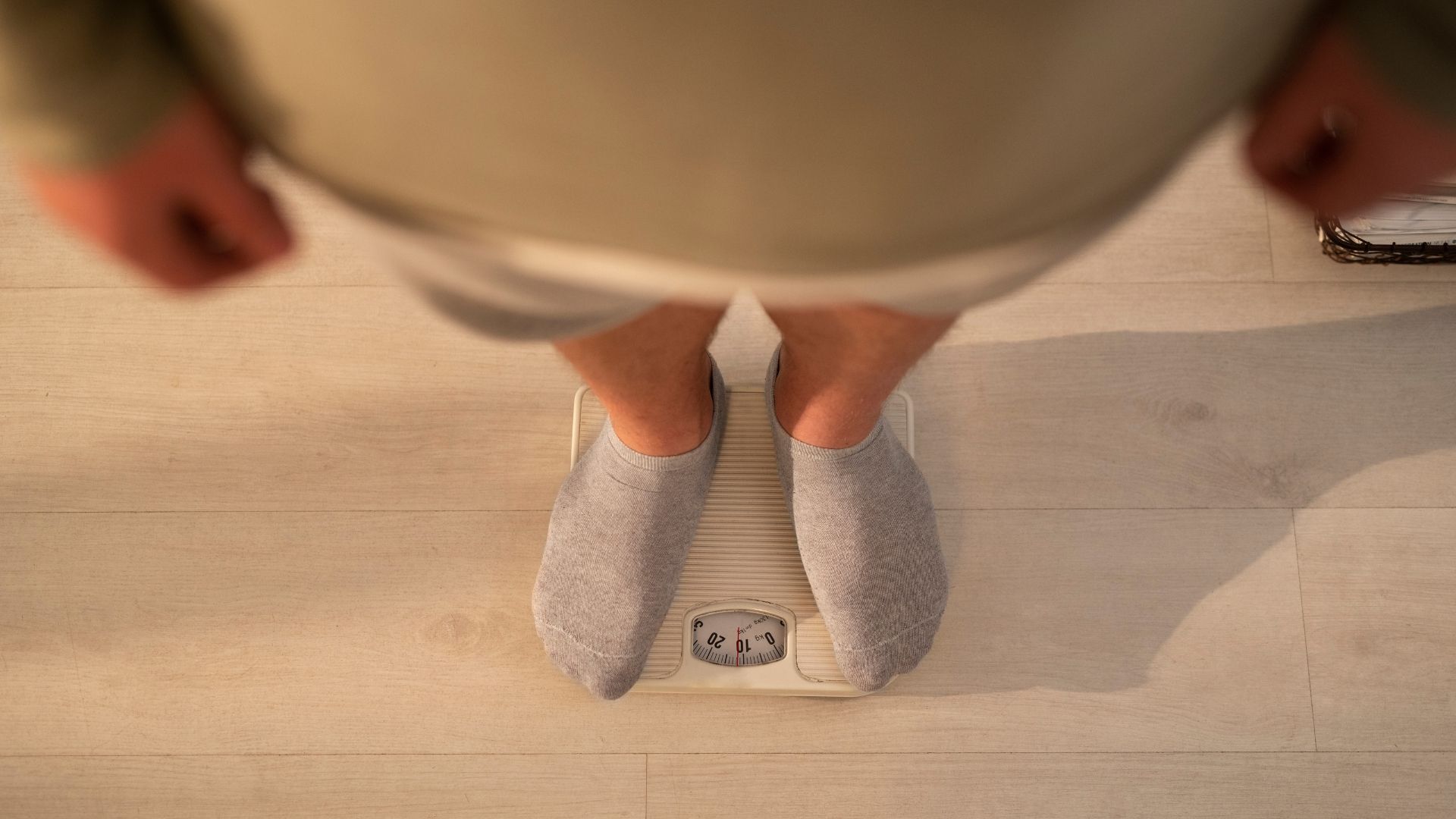
Why is obesity increasing?
Around 3.8 billion will be living with obesity by 2050. Why is obesity increasing at such an alarming rate?

More people are living with obesity today than ever before in modern history.
More than one billion people worldwide now live with the disease¹. As of 2021, it led to more deaths in the UK than smoking. And according to the World Health Organization (WHO), at least 2.8 million people die each year as a result of being overweight or obese.
It's no wonder the UK government describes obesity as a 'complex and global public health concern'. If anything, this is an understatement. Obesity is one of the greatest public health challenges of our time – an 'epidemic' and a 'crisis', in the words of the WHO.
We know things are bad right now. But is the problem getting worse? And if so, why?
Let's start by looking at the facts.
Is obesity increasing?
Even the smartest scientists can't predict the future. However, they can do the next best thing – comb through lots and lots of data and use that to plot future trends.
And the trend is clear: not only is obesity increasing, but it's increasing at a staggering rate.
- The number of adults living with obesity worldwide more than doubled between 1990 and 2022. Among adolescents, it has quadrupled.
- Between 1975 and 2022, the global adult obesity rate more than tripled.
- In a study looking at 200 countries in 1990 and 2022, female obesity rates increased in 188 countries (94%). Male obesity rates increased in all but one (99.5%).
- In 2023, more than two-thirds of adults in England were living with overweight or obesity. The rate of adult obesity rose from 22.6% to 26.2% between 2016 and 2023.
If trends continue, researchers predict that 3.8 billion people will be living with obesity by 2050. That's around half of the likely global population at that time.
You don't need to be an expert to know that this would be a global health catastrophe. It would be catastrophic on an individual level, as billions of people would face obesity-related health problems and the risk of early death. And it would be catastrophic for the governments and organisations that already spend billions treating and addressing obesity.
Why is obesity increasing?

There are many causes of obesity. It is a complex disease whose roots are tangled up in several distinct yet interrelated factors:
- Biological factors: on a basic biological level, obesity is caused by gaining more calories from food than we burn with physical activity. Genetics and existing medical conditions can also make a person more at risk of obesity.
- Environmental and societal factors: in other words, the environments in which we live and how they contribute to obesity rates. This can include the food options available to us, whether we can afford those foods and how advertisers promote them, among many other things.
- Political and systemic factors: healthcare systems, as well as government policy and expenditure, can influence obesity rates and how the disease is treated.
With so many factors at play, it's hard to pin down one overriding cause of obesity's upward trend – even on a local level. When you zoom out to the whole planet, things get even hazier.
However, it's possible to identify a couple of global trends that – at least within the developed world – help explain why obesity rates have skyrocketed.
The first is globalisation and the changes in farming and food production that come with it.
1. The rise of global foods
Back in the day, your weekly shopping basket would largely consist of locally produced ingredients – fruits, vegetables, grains and the like. However, you're now more likely to buy food products – packageable, marketable foods that are prepared in advance and shipped to supermarkets around the world.
The global food supply chain – from farm to factory to supermarket – is now set up to support the production of commercialised food products. And, unfortunately, these food products are usually ultra-processed.
Ultra-processed foods (UPFs) tend to offer little nutritional value but high calorific gain – as well as high levels of sugar, salt and additives.
Eating a diet that largely consists of UPFs puts a person more at risk of obesity. However, UPFs are designed to be cheap and convenient. UPFs now make up more than 50% of the average person's calorie intake in the UK – and it's easy to see why.
2. The poverty paradox
The availability of UPFs has increased – and, generally speaking, so has our ability to afford them. While recent years have seen the cost of living increase dramatically, the overall trend has been for high-calorie foods to get cheaper and cheaper.
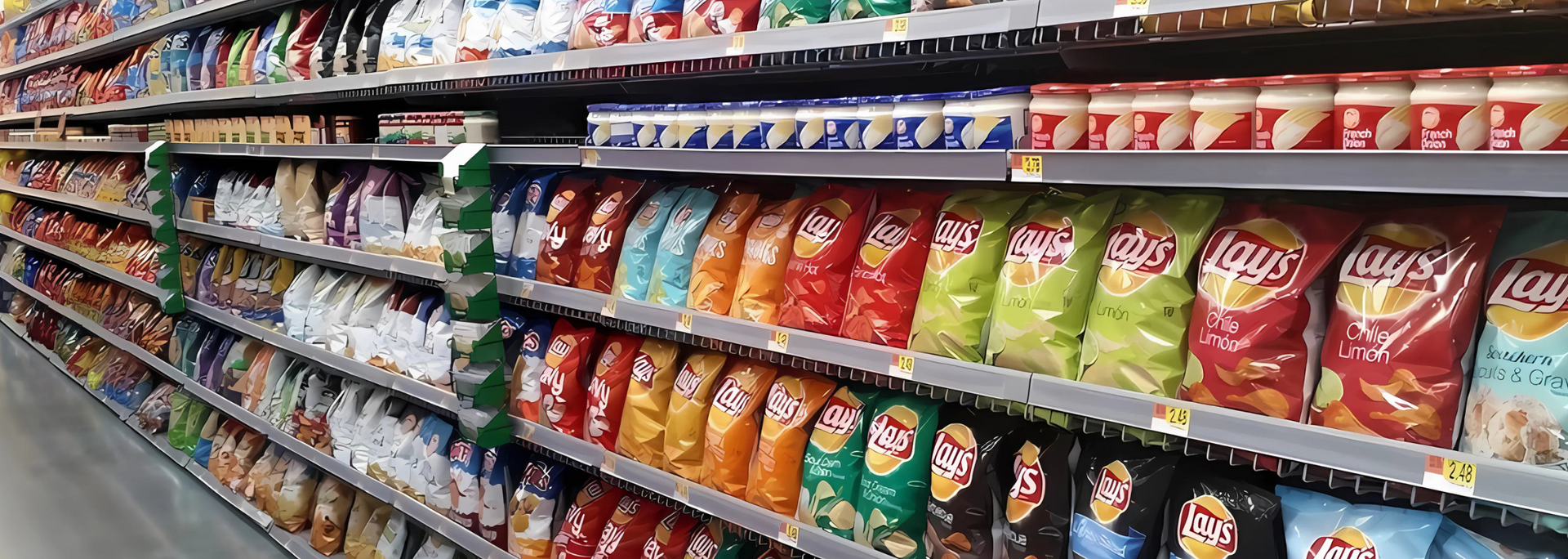
This helps explain why middle- and high-income countries have seen obesity rates increase. And it also helps explain the 'poverty paradox' – why people living in poverty are more at risk of obesity.
It does, at first glance, seem paradoxical. People in poverty have less money to spend on food, so it's logical to assume they shouldn't experience high rates of weight gain – right?
As we've seen, however, UPFs are designed to be cheap, convenient and plentiful. For people living in poverty, they're often the most accessible calorie source on supermarket shelves. Unfortunately, their high calorie content comes at the cost of poor nutritional value.
People on lower incomes also tend to have a poor work-life balance. This means they have less free time to cook healthy, nutritious meals – and they may lack access to resources that could help them do so. In other words, living healthily takes time, motivation and resources – all of which may be lacking among people in poverty.
This is borne out by UK government research on obesity, which found that obesity rates were highest among those living in the most deprived areas.
How can we stop obesity increasing?
Losing weight is hard. Helping a billion people lose weight seems nigh on impossible.
However, if we want to curb the obesity epidemic, we simply don't have a choice. We need to work together to find solutions – and fast.
- Healthcare practitioners must work harder to educate the public on obesity and provide holistic therapies that address physical health, mental health and lifestyle choices.
- Policymakers must implement decisive policies that help shape our environments for healthy living.
- And, perhaps most importantly, the food industry must take responsibility for its role in the obesity epidemic. It must act fast to reduce unhealthy ingredients, produce more healthy and affordable food options and limit the marketing of unhealthy foods.
It won't be easy. But with cooperation, dedication and expertise on our side, it's not impossible.
SemaPen is a trusted weight loss injection clinic based in the UK. As part of Phoenix Health, we've helped people living with obesity lose weight for more than 20 years.
Sources
1. Phelps, N.H. et al. (2024) "Worldwide trends in underweight and obesity from 1990 to 2022: a pooled analysis of 3663 population-representative studies with 222 million children, adolescents, and adults" The Lancet, 403(10431) https://doi.org/10.1016/S0140-6736(23)02750-2
2. Ng M. et al. (2025) "Global, regional, and national prevalence of adult overweight and obesity, 1990–2021, with forecasts to 2050: a forecasting study for the Global Burden of Disease Study 2021" The Lancet, 405(10481) https://doi.org/10.1016/S0140-6736(25)00355-1
3. Marino, M. et al. (2021) "A Systematic Review of Worldwide Consumption of Ultra-Processed Foods: Findings and Criticisms" Nutrients, 13(8) https://doi.org/10.3390/nu13082778
4. Żukiewicz-Sobczak, W. et al. (2014) "Obesity and poverty paradox in developed countries" Annals of Agricultural and Environmental Medicine, 21(3) https://www.aaem.pl/pdf-72161-9388?filename=Obesity%20and%20poverty.pdf
5. Dhurandhar, E.J. (2016) "The Food-Insecurity Obesity Paradox: A Resource Scarcity Hypothesis" Physiology & Behavior, 162:88–92 https://doi.org/10.1016/j.physbeh.2016.04.025
This article was reviewed and approved by Qutayba Almerie MD, MSc, FRCS on 14 July 2025.